Okay, so check this out—I’ve been through the rattling grind of losing access to funds, and the slow relief when a hardware wallet saved the day. Wow! My instinct said hardware wallets were the answer from the start, but the reality is messier. Initially I thought a single cold storage device and a written seed were enough, but then realized that human habits, supply-chain risks, and simple complacency make that fragile. Seriously?
Here’s what bugs me about casual crypto storage: people treat private keys like a receipt, not like the nuclear codes they are. Short note: that’s dangerous. On one hand, you want convenience. On the other, you want absolute control. Though actually, there’s a middle path that keeps you safe without living in a bunker. Hmm… somethin’ about that balance feels right.
Private keys are the core. Protecting them is basic and boring, yet crucial. Store them offline. Don’t type them into a phone. Don’t paste the seed into cloud notes. Those are rookie mistakes. Wow. Also: be skeptical of “backup apps” that ask for your seed. My gut said never share the seed with software that has network access. Simple rule: if it can connect, don’t trust it with keys.
Hardware wallets put a line between your keys and the internet. They sign transactions inside secure chips, and the private key never leaves. That reduces attack surface dramatically. But hardware isn’t magic. Not all devices are equal, and supply-chain attacks are real. I once bought a used device (don’t do that). The serial looked fine. My instinct said somethin’ was off. Luckily I caught it before moving funds. Actually, wait—let me rephrase that: if you buy a new device, buy from the manufacturer or an authorized dealer. Period.
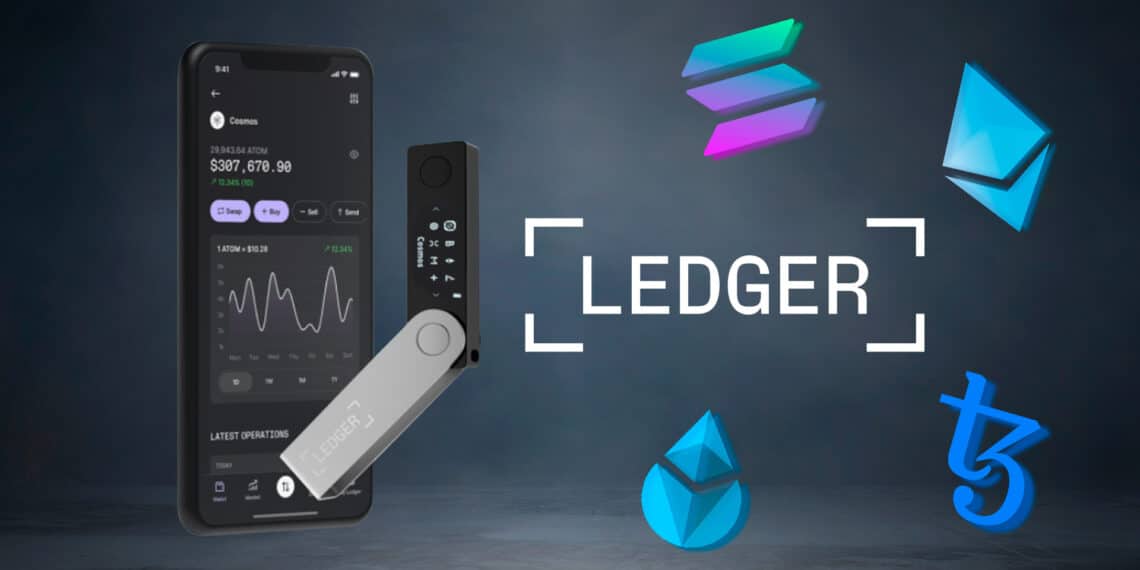
Three practical layers I recommend
Layering security beats relying on a single measure. Here are three practical layers that work together. First, the hardware wallet itself. Second, a robust seed backup strategy. Third, compartmentalization across multiple devices or accounts. My bias is toward redundancy that doesn’t multiply human error. For example, two independent backup methods are better than a single perfect one, because humans forget, coffee spills happen, and life is weird.
Layer one: choose a hardware wallet with a strong track record and open design philosophy. Look for secure elements, independent reviews, and active firmware updates. Check the manufacturer’s verification methods when initializing. If you want a smooth interface for managing apps and accounts, reputable companion software can help—I’ve used it myself. One place to find the official client info and release notes is here: https://sites.google.com/cryptowalletuk.com/ledger-live/. That link helped me verify firmware versions and avoid shady downloads. Seriously, verify before you install anything.
Layer two: seed phrase backups. Many people write their 12- or 24-word seed on paper and tuck it in a drawer. That’s okay for low risk, but it lacks resilience. Paper deteriorates, burns, and gets lost. Metal backups resist water, fire, and time. Consider plating or stamped metal storage for long-term resilience. Also, avoid storing all words in a single location. Split backups across geographically separated spots so a single catastrophe doesn’t wipe them out. Hmm… sounds dramatic, but it’s practical for significant balances.
Layer three: multi-currency and account compartmentalization. Put your everyday coins on a hot wallet with small balances. Keep the majority in cold storage distributed across devices or accounts. Don’t store all tokens on one device if you want maximum safety. Create purpose-built wallets: one for staking, one for long-term HODL, one for trading. This strategy limits blast radius if something goes wrong.
Now, some operational rules that I use and rarely break. Short checklist first. Do a device authenticity check. Use the official client and firmware verification. Create the seed in a secure, offline environment. Record backups in metal and paper. Store backups in two different secure places. Test recovery with a small transfer. Rotate pins or passphrases occasionally. Teach a trusted person how to access funds in an emergency (but don’t reveal the seed to anyone unless necessary).
Whoa! A bit of real talk: passphrases (BIP39 passphrase or 25th word) are powerful, but hazardous if mismanaged. They add a secret layer to your seed and can create hidden wallets. That sounds great until you forget the passphrase or die without telling anyone. On one hand, it’s an elegant way to create plausible deniability. On the other, it’s a last-mile failure point. I’m biased—I’ve seen too many people lose access because they treated the passphrase like a vanishing thought. Don’t be that person.
Recovery drills are underrated. Seriously, practice restoring your wallet to a spare device using your backup before you need it. Use small test transfers. I did a blind recovery once: my hands shook, but the process worked and the knowledge stuck. That experience changed my behavior. Now I store a clear recovery SOP (standard operating procedure) with the backups. Keep it minimal. Don’t put the seed in the SOP. Just the steps and where backups live. Little quirks like that save hours and stress later.
Supply-chain risks: hardware can be tampered with. Use tamper-evident packaging and check device integrity. Many vendors provide a “genuine-check” flow during setup—use it. Resist peer pressure to accept “pre-configured” devices from strangers, or second-hand devices without verified provenance. Oh, and by the way… firmware updates matter. They close vulnerabilities, but don’t rush updates during big market activity. Wait for community confirmation and backups. Double-check the release notes.
Multi-currency support: not every wallet supports every coin natively. When you manage many tokens, choose a device and companion app that support the networks you need. Sometimes third-party integrations or community apps extend support, but tread carefully—verify code and signatures. My approach: prioritize native or officially supported integrations, and keep a small amount on experimental setups for testing. This reduces exposure on primary holdings.
Okay, a few mistakes I still see. People photograph their seed phrase for safekeeping. Don’t. Electronic copies are attack vectors. Another one: one single encrypted backup on cloud drive. That gives you convenience but centralized risk. And finally, writing the seed in plain language in a will without thoughtful execution steps. Remember that heirs need a plan and secure access, and legal exposure varies by jurisdiction. I’m not a lawyer, but plan with counsel if balances are meaningful.
Common questions I get
Q: Should I use one hardware wallet for everything?
A: For small balances, yes. For serious holdings, no. Use multiple devices for compartmentalization. That reduces single-point-of-failure risk and limits impact from human error or device compromise.
Q: How many backup copies should I keep?
A: Two to three is sensible. Keep them in geographically separated, secure locations. One on-site for quick recovery. One off-site (safe deposit box, trusted friend, or safe) for disaster recovery. Test the restores annually.
Q: Are passphrases worth it?
A: They are powerful but risky. Use passphrases if you can reliably remember or securely store them. If you add that complexity, document the recovery process elsewhere. If you’re unsure, prioritize well-protected multi-location backups instead.
Alright—final honest note: keeping crypto truly safe is about disciplined habits, not one-off technical tricks. It’s about small, consistent steps: verify devices, back up properly, test restores, and plan for contingencies. My approach evolved from panic-driven learning to systems that are repeatable and teachable. That change saved me time, grief, and a few sleepless nights. I’m not 100% perfect, but these practices have kept my keys secure when it mattered.
So go check your setup. Seriously—do a tiny recovery test today. You’ll thank yourself later. And yeah, keep learning. The landscape shifts fast, but the principles hold: isolation, redundancy, and proven tools win.